
Guide
Diesel Engine Parts Guide for Construction Machinery
Oct
Diesel engines power the majority of construction machinery, including excavators, loaders, bulldozers, cranes, and dump trucks. Their durability and torque output make them ideal for harsh work environments, but engine performance depends heavily on proper maintenance and quality spare parts. Both technical teams and procurement managers need a clear understanding of diesel engine components, common failures, sourcing strategies, and replacement options. This guide combines practical maintenance insight with purchasing considerations to help reduce downtime and extend engine lifespan.
Understanding Key Diesel Engine Components
A diesel engine is made up of several core systems that must function together efficiently. The most important components include:
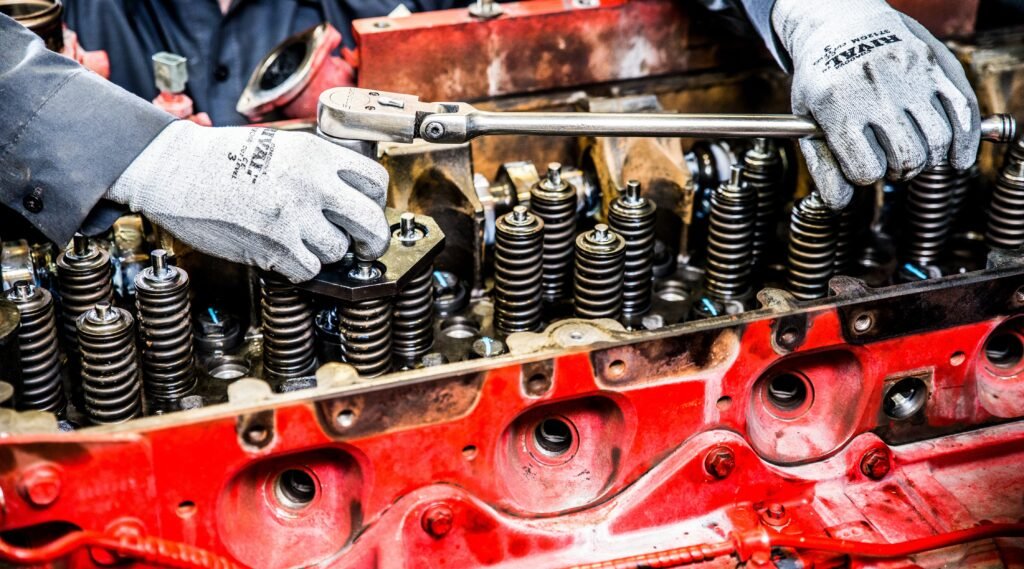
- Engine Block and Cylinder Head These form the structure of the engine and contain combustion chambers, valves, and injector ports. Cracks or warping can cause compression loss and overheating.
- Pistons, Piston Rings, and Connecting Rods These convert combustion into mechanical force. Worn rings lead to oil consumption, smoke, and power loss.
- Crankshaft and Camshaft The crankshaft transforms piston motion into rotation. The camshaft controls valve timing. Wear or imbalance causes vibration and engine failure.
- Fuel Injection System Injectors, fuel pumps, and filters deliver fuel under high pressure. Contamination or wear results in misfires and reduced efficiency.
- Turbocharger A turbocharger increases air intake and improves combustion. Oil leaks, dust contamination, or bearing failure can lead to low boost, overheating, and smoke.
- Cooling System Radiators, thermostats, and water pumps regulate temperature. Overheating can cause gasket damage and engine seizure.
- Lubrication System Oil pumps and filters reduce friction between moving parts. Low oil pressure or clogging accelerates wear.
- Air Intake and Filtration Air filters prevent dust from entering cylinders. Neglect results in poor combustion and injector damage.
- Exhaust System Manifolds and aftertreatment units remove combustion gases. Blockages reduce power and increase fuel use.
- Sensors and ECU Modern diesel engines rely on electronic controls. Sensor faults affect timing, emissions, and fuel delivery.
Common Diesel Engine Failures and Causes
Heavy-duty machines operate in dusty, hot, and high-load conditions. Typical causes of engine trouble include:
- Overheating Low coolant, broken belts, clogged radiators, or faulty pumps can cause head warping and gasket failure.
- Fuel System Contamination Water, dust, or poor-quality diesel damage injectors and pumps, lowering efficiency.
- Turbocharger Wear Poor lubrication, leaks, and debris affect boost pressure and exhaust temperature.
- Oil Leaks and Pressure Loss Seal wear and clogged filters reduce lubrication and accelerate bearing damage.
- Piston and Cylinder Wear Caused by overheating, poor filtration, or lack of oil, resulting in reduced power and smoke.
- Sensor or ECU Malfunction Incorrect readings lead to poor fuel delivery and engine performance issues.
Maintenance Strategies for Diesel Engine Longevity
To keep heavy equipment engines running efficiently, maintenance teams should focus on the following:
- Regular Oil and Filter Changes Use the recommended oil type and replace filters based on operating hours to protect pistons and bearings.
- Clean Fuel Supply Use high-quality diesel, drain water separators, and change filters to prevent injector damage.
- Cooling System Checks Inspect coolant levels, thermostats, radiator fins, and belts to prevent overheating.
- Frequent Air Filter Replacement In dusty environments, blocked filters increase fuel use and reduce power.
- Turbocharger Monitoring Check for smoke, noise, or oil leaks. Address early to avoid full replacement.
- Use Diagnostic Tools Modern equipment provides error codes. Immediate attention prevents larger failures.
OEM vs Aftermarket Diesel Engine Parts
Both OEM and aftermarket parts can work effectively if sourced from reputable suppliers. The choice depends on machine value, operating conditions, and cost control.
OEM Parts
Advantages:
• Precision fit and full compatibility
• Manufacturer quality standards
• Recommended for newer or high-value machines
Aftermarket Parts
Advantages:
• Lower cost
• Suitable for older equipment
• Flexible options for different budgets
For sourcing aftermarket OEM parts, procurement managers should verify manufacturer reputation, quality certifications, and part number accuracy. Cheap imitations often result in premature failure and higher long-term cost.
Sourcing Strategies for Diesel Engine Spare Parts
Keeping critical parts available reduces downtime and improves fleet reliability. Consider these guidelines when purchasing:
- Confirm Accurate Part Numbers Use equipment model, engine type, and serial data to avoid mismatches.
- Work with Specialized Suppliers A reliable supplier of construction machinery parts can offer both OEM and aftermarket options with faster delivery.
- Maintain Stock of High-Wear Items Injectors, filters, gaskets, hoses, pumps, and belts are common replacements and should be kept on hand.
- Balance Transport Methods Air freight is best for urgent repairs; sea freight is ideal for large orders and scheduled maintenance.
- Verify Quality and Certifications ISO or CE standards help ensure durability and performance.
- Communicate Equipment Usage Suppliers can recommend suitable parts based on operating conditions like mining, road construction, or quarry work.
Conclusion
Diesel engines are the driving force behind most construction machinery, but their reliability depends on maintenance practices and the quality of spare parts. Operators must understand key components to diagnose problems quickly, while buyers must secure parts that meet both performance and budget needs. Whether selecting OEM parts for critical machines or aftermarket diesel engine parts for cost efficiency, sourcing from a trusted heavy equipment spare parts supplier ensures consistent operation and reduced downtime. With proper upkeep, accurate part identification, and strategic procurement, companies can extend engine life and maintain productivity in challenging work environments.
